
.
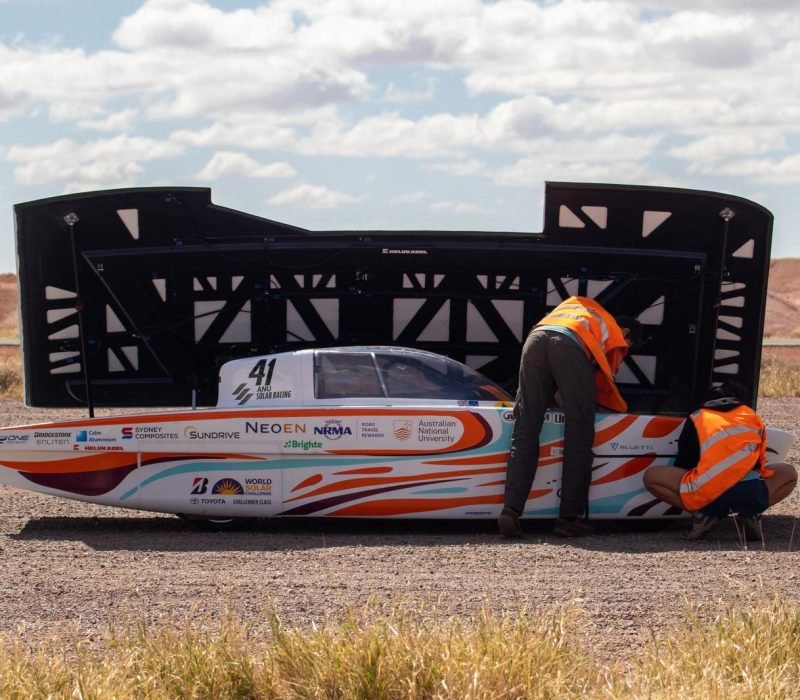
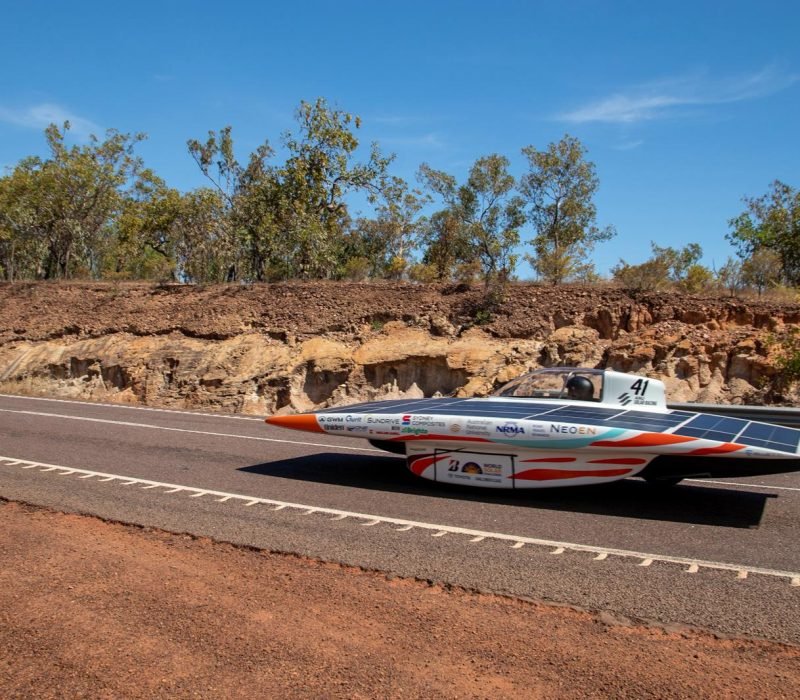
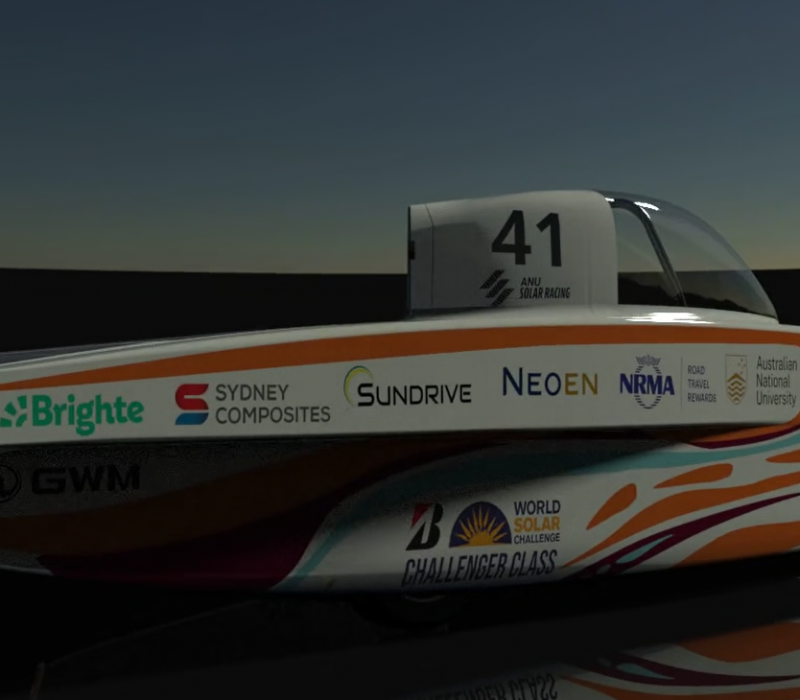
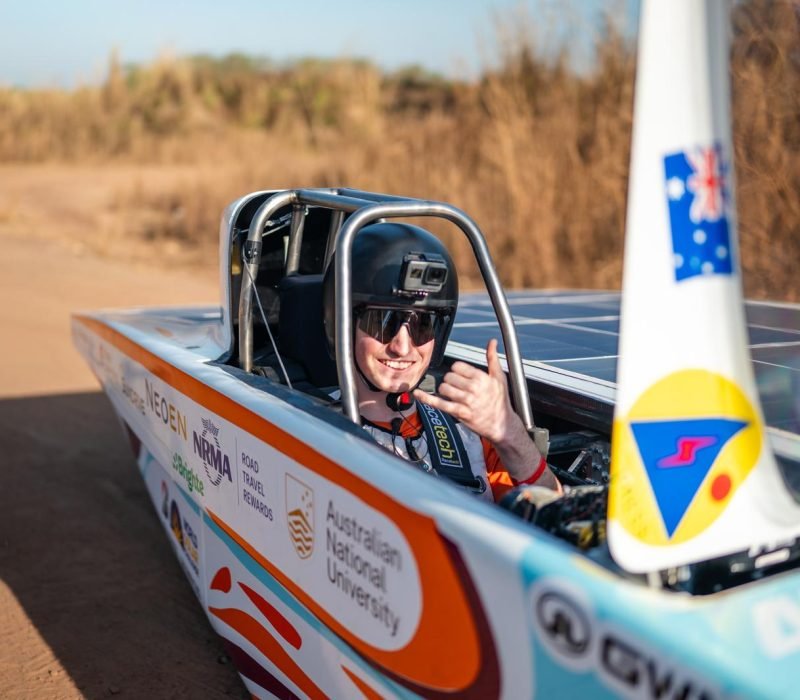
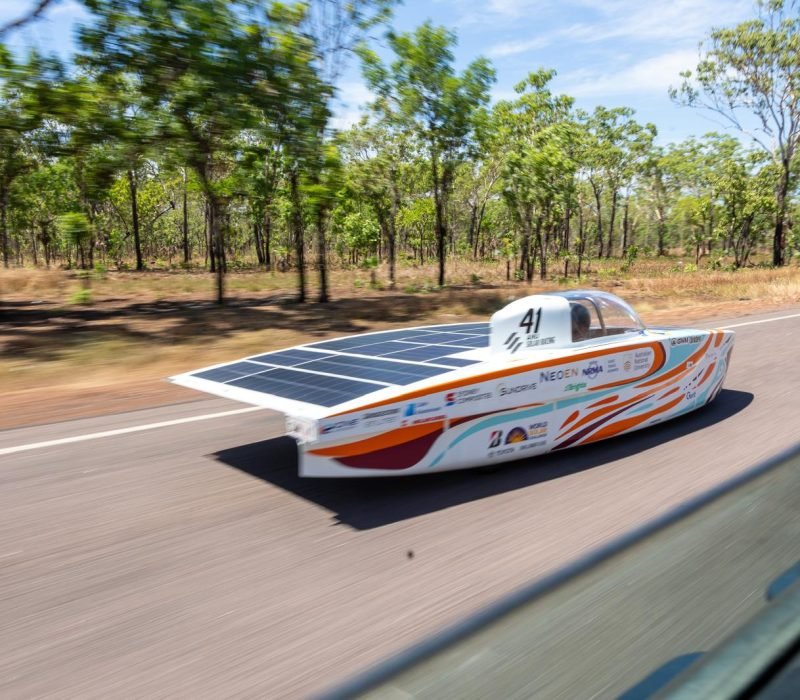
SC4: MONTY
Top Speed: 122 km/h
Weight: 221 kg
Aerobody: Catamaran
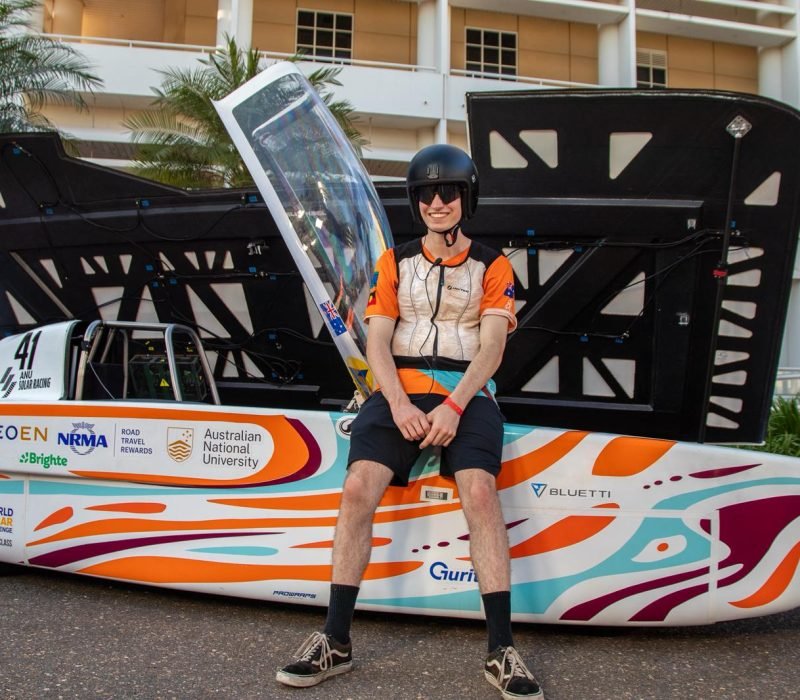
Solar Car 4: MONTY
221 KG
The shell itself weighs just 90 KG
122 Km/h
The net neutral speed is 80-85km/h on average
$400,000
The car itself is worth over a million.
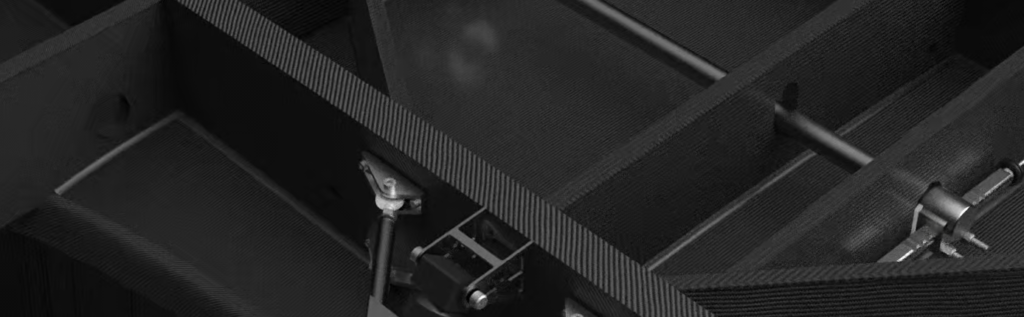
3 kWh
The battery is 5% the size of tesla battery which is considered quite small
2.4° Tilt
To create downforce
3 Wheels
The car has no airbag and no power steering
24% Efficient
The solar arrays you have on the roof of a house is only 20%
ELECTRICAL
The Electrical Team has been working tirelessly to ensure the car’s electronics are fully functional for the 2025 BWSC. Their efforts are focused on four key subsystems: the battery, solar array, control systems, and motor. They made major developments for the car’s electrical architecture, particularly towards reducing unnecessary power consumption. Implementing the motor, solar array and battery, the electrical team also notably undertook an in-house Battery Management System (BMS) to orchestrate a completely operational solar vehicle.
MECHANICAL
The Mechanical Team is responsible for four key subsystems: the front suspension, rear suspension, steering and brakes. They also manage numerous smaller systems, including the opening mechanism, latches, fairings, and more. The mechanical team committed to a fully functional solar car for our drivers to navigate. SC4’s unique asymmetric steering was a particular mechanical challenge to overcome but was nonetheless successfully integrated within the vehicle. In considering the ride height, turn radius and braking- amongst other things- the team ensured our drivers safely got from A to B.